Breaking the Barriers of Regret (part 2)
God is grieved by disobedience, selfishness, rebellion, neglect of responsibility, and lack of repentance. While sin brings consequences, God remains merciful and preserves those who faithfully obey and follow Him.
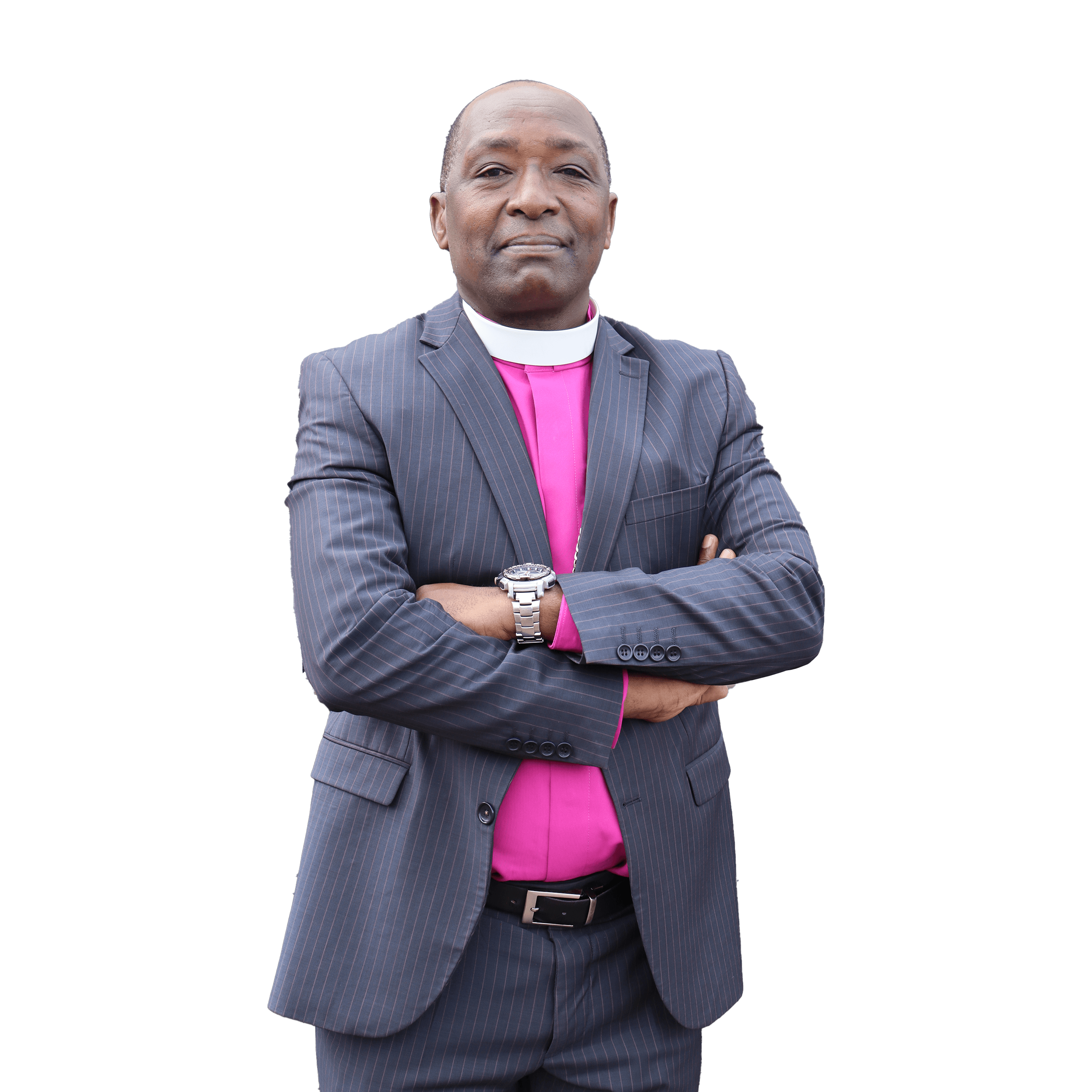
Bishop Dr. Paul G. Wanjohi
Senior Pastor
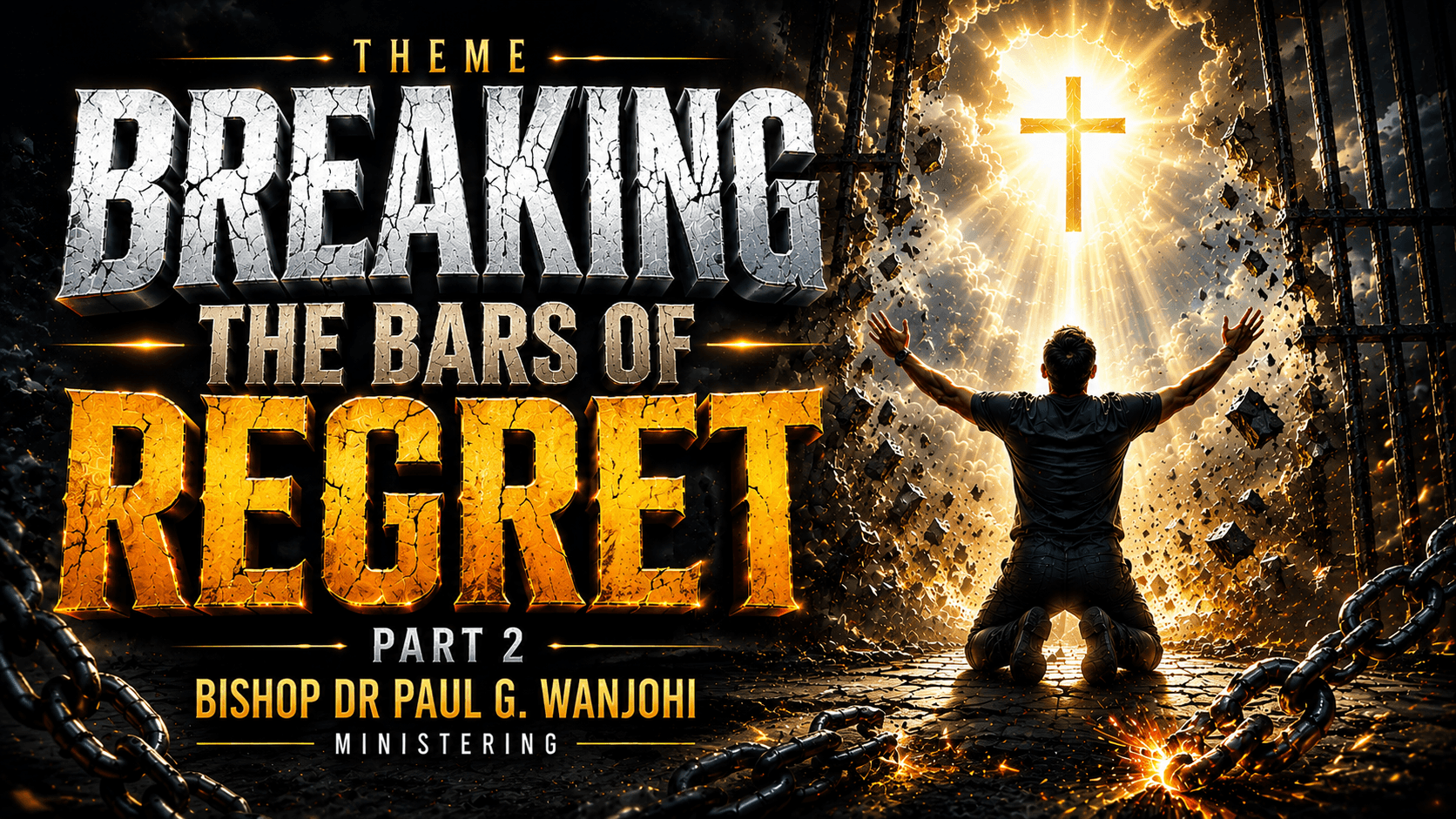
Sermon Recording
THINGS THAT MAKE GOD REGRET
1. Misuse of Free Will — Genesis 6:6
God gave mankind freedom of choice, but people chose wickedness.
• Adam and Eve disobeyed God in the Garden of Eden (Genesis 3).
• The generation of Noah became full of violence and corruption (Genesis 6:5).
• Judas used his free will to betray Jesus (Matthew 26:14–16).
• Using intelligence or influence to exploit others.
• Youth abusing freedom through drugs, immorality, or crime.
• Leaders using authority for corruption instead of service.
2. Abandoning the Intended Caretaking Role — Genesis 2:15
God created man to work, nurture, and steward responsibly.
• Adam neglected spiritual leadership in Eden.
• Eli failed to discipline his sons who dishonored God (1 Samuel 2:22–25).
• The servant with one talent buried it instead of using it (Matthew 25:24–30).
• Parents neglecting their children emotionally or spiritually.
• Christians refusing humble jobs while waiting for “big opportunities.”
• Leaders abandoning responsibility and blaming others.
3. Selfish Desires and Oppression — Genesis 4:8–10
Selfish ambition destroys relationships and invites judgment.
• Cain killed Abel because of jealousy.
• King Ahab and Jezebel took Naboth’s vineyard unjustly (1 Kings 21).
• The rich man ignored Lazarus at his gate (Luke 16:19–31).
• Land grabbing and exploitation of the poor.
• Workplace jealousy and sabotage.
• Family conflicts over inheritance and greed.
4. Rushing to Do Evil — Proverbs 1:16; Isaiah 59:7
God is grieved when people become eager to sin.
• The crowd quickly chose Barabbas over Jesus (Matthew 27:20–23).
• Haman rushed to destroy the Jews out of hatred (Esther 3).
• Ananias and Sapphira hurried into deception (Acts 5:1–10).
• Social media mobs spreading lies instantly.
• Youth joining gangs or violent groups.
• Quick revenge without seeking peace or wisdom.
5. Overstepping Boundaries — 1 Samuel 13:8–14
God establishes order, roles, and limits.
• Saul offered sacrifice unlawfully.
• Uzziah touched the Ark carelessly and died (2 Samuel 6:6–7).
• King Uzziah entered the temple to burn incense and became leprous (2 Chronicles 26:16–21).
• Spiritual leaders abusing authority.
• Employees undermining lawful leadership.
• People entering relationships or businesses dishonestly.
6. Foolish Vows — Ecclesiastes 5:4–6
God expects sincerity and wisdom in promises.
• Jephthah’s rash vow brought grief (Judges 11:30–35).
• Peter boldly promised loyalty but denied Jesus (Matthew 26:33–35, 69–75).
• Israel made careless promises during difficult times.
• Making promises in prayer but forgetting them later.
• Entering marriage or contracts carelessly.
• Politicians making promises they never intend to fulfill.
7. Excuses Instead of Obedience — 1 Samuel 15:12–21
Excuses reveal unwillingness to fully obey God.
• Saul blamed the people for his disobedience.
• Adam blamed Eve in the Garden (Genesis 3:12).
• Moses initially resisted God’s calling with excuses (Exodus 4:10–13).
• Blaming society for personal sin.
• Employees blaming others for poor performance.
• Christians delaying obedience because of fear or comfort.
8. Lack of Repentance — 1 Samuel 15:24–30
A hardened heart blocks restoration.
• Pharaoh repeatedly hardened his heart (Exodus 7–14).
• Judas felt remorse but did not truly repent.
• The people in Noah’s generation ignored warnings.
• Refusing correction despite repeated warnings.
• Continuing destructive habits while knowing the consequences.
• Pride preventing reconciliation in families and churches.
9. Disobedience and Rebellion — 1 Samuel 15:22–23
Rebellion separates people from God’s will.
• Jonah ran away from God’s assignment.
• Korah rebelled against Moses (Numbers 16).
• Lucifer rebelled against God and was cast down (Isaiah 14:12–15).
• Children resisting godly guidance.
• Believers knowingly living contrary to Scripture.
• Nations rejecting justice and righteousness.
WHAT DOES GOD DO WHEN WE MAKE HIM REGRET?
1. He Closes the Heavens — 2 Chronicles 7:13
• Israel experienced drought because of sin.
• Seasons of spiritual dryness, unanswered prayers, or lack of peace.
2. He Withdraws Favor — 1 Samuel 15:26
• Saul lost the kingdom.
• Opportunities, influence, or open doors suddenly disappearing because of pride or disobedience.
3. He Executes Righteous Judgment — Genesis 6:5–7
• The flood destroyed a corrupt generation.
• Consequences of corruption, injustice, and immorality eventually catching up with people or nations.
4. He Can Allow Enemies to Rise Against Us — 1 Kings 22:19–23
• Ahab went into battle and died after rejecting God’s warning.
• Conflict, opposition, or failure arising after persistent rebellion.
5. He Removes His Wall of Protection — Isaiah 5:5
• Job’s hedge of protection was temporarily lifted (Job 1:10–12).
• Families or individuals becoming vulnerable after abandoning prayer and righteousness.
6. He Can Spit Us Out of His Mouth — Revelation 3:15–16
• The lukewarm church of Laodicea was rebuked.
• Christians becoming spiritually cold, comfortable, and prayer less.
7. He Preserves the Faithful Remnant — Romans 11:5
• Noah was preserved during the flood.
• Lot was rescued from Sodom.
• God preserved 7,000 faithful people in Elijah’s time (1 Kings 19:18).
• God preserving faithful believers during difficult economic or spiritual seasons.
• Christians remaining steadfast despite widespread compromise.